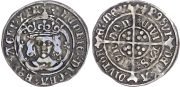
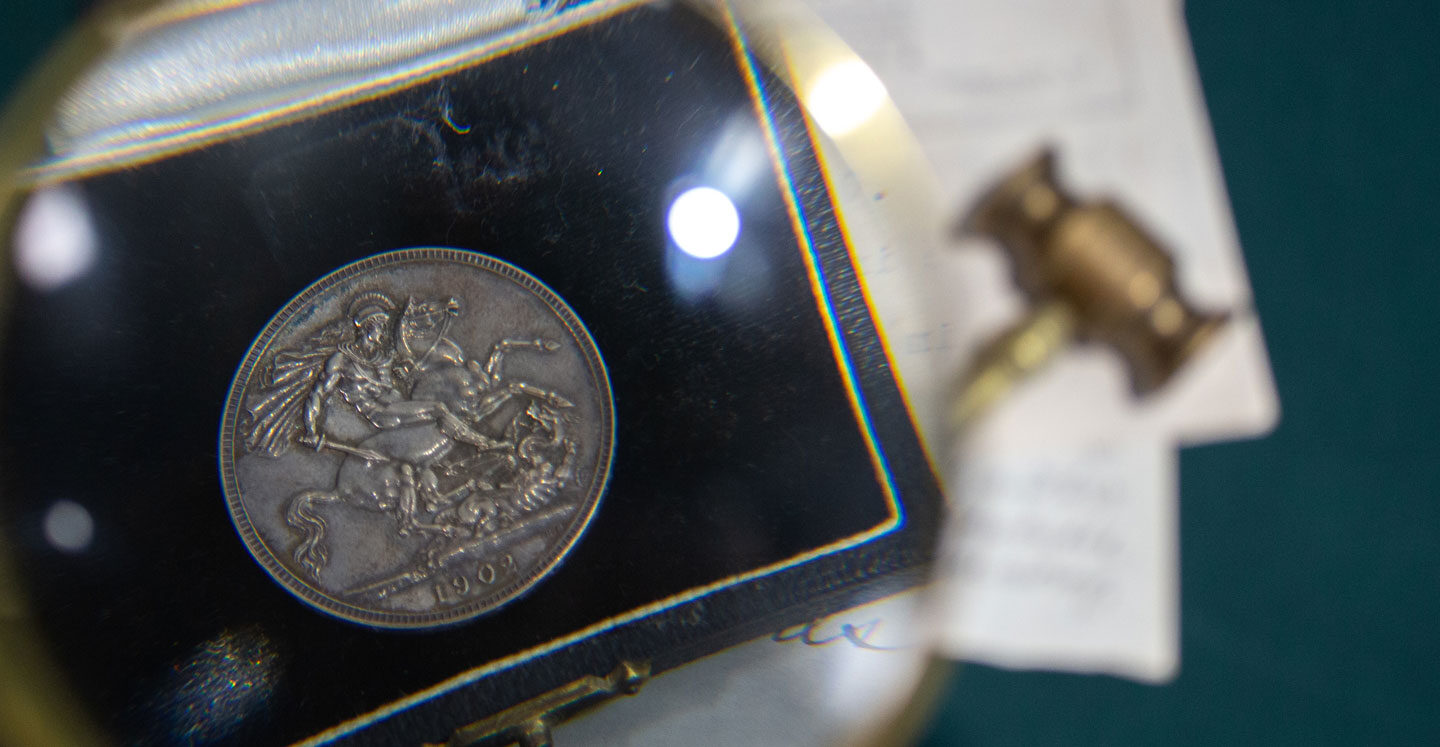
English Coins is an expansive area of numismatics, which can broadly be split between Hammered or Milled types. The extent of the area of subject matter can be further divided into the following categories. Early Anglo-Saxon c.600-775, Kings of Northumbria and Archbishops of York. Middle Period c.780-975 containing the Kings of Kent, Archbishops of Canterbury, Mercia, East Anglia. Anglo Viking, Kings of Wessex (786-924). The King’s of all England which ushers in the modern period, leading to the Normans. After the Planaganet Kings (1154-1399), we move to the House of Lancaster and the House of York (1461-85). The Tudors end with Elizabeth I’, moving into the House of Stuart between 1603-49 into the Commonwealth and Restoration. From George I onwards the House of Hanover is established leading into House of Windsor.
English coins in many ways are a standard or point of reference to which other world coins can be compared to. They have a reputation for their beauty and range of types available. Hammered or milled, many collectors seek to procure the best examples both domestically and internationally.
Buy online with UK and worldwide delivery available or contact our expert team to arrange a viewing or ask any questions.
Applied Filters
- Clear All
Applied Filters
- Clear All
Ruler
Price Range
Search
Denomination
Metal
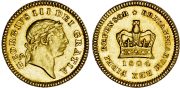
George III (1760-1820), Gold Third Guinea, 1804
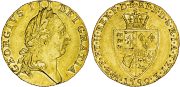
George III (1760-1820), Gold ‘Spade’ Guinea, 1790
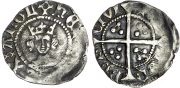
Henry VI (First Reign, 1422-1461), Silver Halfpenny, Tower mint, Annulet Issue
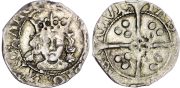
Edward IV (Restored, 1471-1483), Silver Penny, York mint
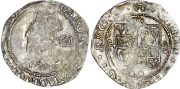
Charles I (1625-1649), Silver Shilling, Tower mint, under Parliament
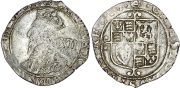
Charles I (1625-1649), Silver Shilling, Tower mint, mm. triangle-in-circle
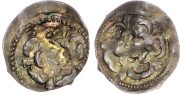
Charles I (1625-1649), Silver Halfpenny, Tower mint
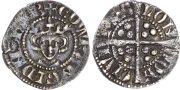
Edward I (1272-1307), Silver Penny, Tower mint, Class 4b
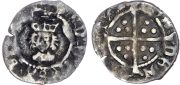
Henry VIII (1509-1547), Silver Halfpenny, Tower mint
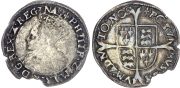
Philip and Mary (1554-1558), Silver Groat, Tower mint
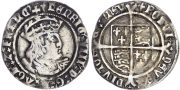
Henry VIII (1509-1547), Silver Groat, Tower mint